Remain Ahead With New Paint Trends: Blending Techniques for Modern Interiors
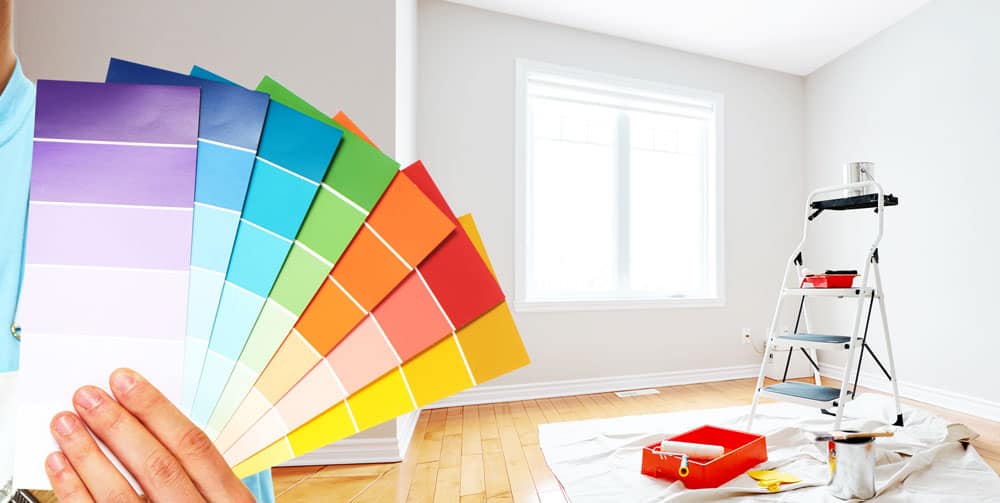
The Surge of Color Gradients in Interior Layout
As designers progressively seek ingenious methods to enhance spaces, the rise of color gradients in interior decoration has gathered substantial attention. This strategy, identified by the smooth change in between two or even more colors, enables for a dynamic aesthetic result that can change an average room into a vivid setting. Color gradients can evoke emotions, influence understandings of room, and create centerpieces, making them a versatile choice for numerous layout styles.
The application of gradients expands beyond walls; they can be properly employed in furniture, fabrics, and accessories. Developers usually try out differing tones to accomplish deepness and intrigue, attracting a variety of aesthetic appeals from minimalist to diverse. Additionally, the adaptability of gradients enables their usage in both industrial and residential setups, catering to varied clients. As patterns develop, using shade gradients signifies a shift towards even more meaningful and tailored interior rooms, showing individual tastes and lifestyles.
Embracing Ombre Strategies for a Dynamic Look
Ombre methods have actually emerged as a charming option for those seeking to add depth and motion to modern-day interiors. This gradient result shifts smoothly from one color to an additional, creating a visually striking focal point in any kind of room. Developers appreciate ombre for its adaptability; it can be put on walls, furnishings, or perhaps decorative accents, permitting distinct expressions of style.
The strategy functions especially well with soft shades, giving a peaceful ambiance, while strong colors can energize an area. Home owners can experiment with numerous color palettes, picking different shades for a remarkable effect or harmonious tones for a refined impact. The application of ombre is not limited to a solitary wall; it can prolong across a room, enhancing the assumption of area and light.
As a contemporary trend, ombre methods accommodate diverse preferences, enabling individuals to customize their interiors and welcome creativity in their layout technique. corpus christi paint store.
Distinctive Wall Surfaces: Layering Paint for Deepness and Rate of interest
Distinctive walls can greatly improve the visual allure of modern-day insides by adding deepness and interest. Strategies for developing structure, thoughtful shade combinations, and the right tools for layering are important parts in attaining this result. Discovering these components enables a vibrant and personalized strategy to interior decoration.
Techniques for Structure Creation
Creating visual passion in indoor rooms usually rests on the artistic application of structure. Different strategies can be utilized to achieve this, such as sponging, cloth rolling, and stippling. Sponging entails utilizing a moist sponge to use a 2nd shade over a skim coat, creating a soft, mottled effect. Rag rolling, on the various other hand, makes use of a rolled rag to apply paint, causing a much more dynamic structure. Stippling employs a tight brush or device to dab paint onto the surface area, developing a distinct pattern. Additionally, layering different finishes, such as matte and glossy, can boost depth. These methods not only give visual allure however likewise add to the total setting of modern insides, encouraging a tactile experience.
Color Combinations for Influence
Layering paint not only enhances structure however likewise opens a globe of color combinations that can drastically influence the mood of a space. By blending complementary tones, designers can develop a harmonious effect that invites warmth or coolness, depending upon the desired atmosphere. For instance, abundant planet tones combined with soft pastels can evoke a serene atmosphere, while vibrant, contrasting shades can add vibrancy and power. Furthermore, integrating metal or shiny surfaces within the layers can present a dynamic visual component, capturing light and improving the deepness of the shade system. Inevitably, thoughtful color combinations through layering paint provide a possibility to share private design while transforming ordinary wall surfaces into charming focal factors.
Tools for Layering Result
Different tools are necessary for accomplishing a successful layering result in paint applications, which can transform wall surfaces into captivating aesthetic experiences. Brushes and rollers are essential, with different dimensions enabling various structures and surfaces. Specialized devices like sponges and cloths can create special patterns and depth, while combination knives use precision for even more defined lines. For larger locations, making use of a stippling brush can add an intricate surface. In addition, spray weapons can successfully use multiple layers for a smooth, also coat. Painters should likewise take into consideration painter's tape to develop clean edges between layers. By using the right tools, one can successfully enhance the aesthetic appeal of insides, making each wall an appealing centerpiece.
The Power of Shade Blocking in Modern Spaces
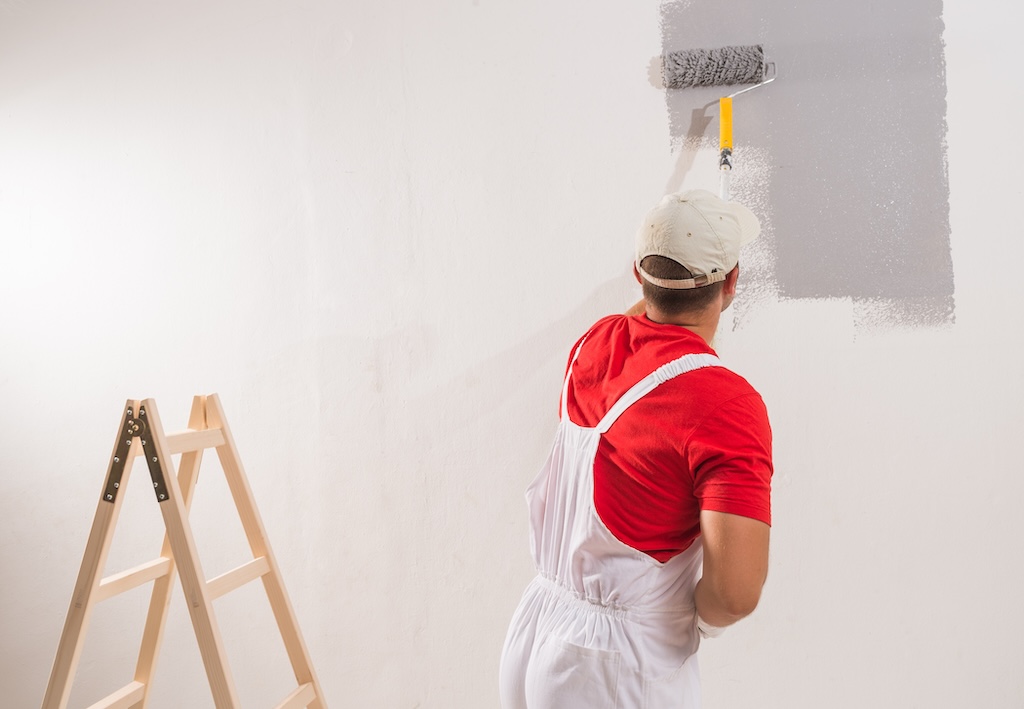
As modern indoor layout continues to evolve, shade blocking becomes a powerful technique that can transform spaces with vibrant aesthetic influence. This method involves the calculated placement of contrasting colors to produce defined zones within a room, enhancing both the aesthetic charm and capability of the area. benjamin moore paint store corpus christi. By utilizing big swathes of color, developers can guide the eye and highlight architectural components, resulting in a dynamic ambience
Color barring is not limited to wall surfaces; it can additionally be related to furniture and decoration, enabling limitless personalization. Pairing a vivid shade with a neutral tone can create a striking focal point while keeping balance. This strategy motivates creativity, making it possible for house owners to share their individualities through special color combinations. Inevitably, shade obstructing functions as an effective way to breathe new life into contemporary interiors, making areas really feel fresh, energised, and visually appealing.
Incorporating Metallics for an Extravagant End up
Exactly how can metallics elevate the class of contemporary interiors? Metal coatings serve as a striking prime focus, including deepness and visual interest to areas. They can change a common space into a classy resort through the refined interaction of light and representation. Designers usually suggest integrating metallics in accent wall surfaces, ceilings, or furnishings to produce an elegant ambience without frustrating the room.
Various metallic shades-- such as bronze, silver, and gold-- supply convenience, enabling home owners to tailor their aesthetic. A soft gold can present heat, while a streamlined read more silver can lend a modern touch. When coupled with neutral tones, metallics enhance the total layout, providing a sophisticated comparison that attracts the eye.
Including metallic paint right into trim or moldings can likewise raise building information, creating a sleek finish. Eventually, the strategic usage of metallics can infuse modern-day interiors with beauty and refinement, making them absolutely charming.
Innovative Use Stencils for One-of-a-kind Patterns
Changing wall surfaces with stencils can infuse contemporary insides with unique character and design. This creative strategy enables developers and homeowners to develop customized patterns that show personal aesthetic appeals. Stencils can vary from detailed geometric styles to whimsical motifs, making it possible for a broad selection of expressions. By picking contrasting colors, stencils can raise an area's visual charm and function as focal points without overwhelming the space.
Stencils are versatile; they can be used to various surfaces, including walls, furnishings, and also ceilings. This flexibility makes stenciling a perfect choice for DIY fanatics aiming to enhance their space economically. Furthermore, the ease of application and removal enables experimentation, making it possible for people to rejuvenate their decoration with marginal initiative. Eventually, creative use of patterns not only transforms ordinary surface areas but also supplies an opportunity for self-expression, making them a trending selection in modern-day interior decoration.
Blending Matte and Shiny Finishes for Comparison
The interaction of matte and shiny coatings can create a striking aesthetic dynamic in modern-day insides. Developers commonly utilize this contrast to improve architectural attributes and define rooms. Matte surfaces, with their soft, non-reflective high quality, can create a sense of warmth and affection, making them perfect for wall surfaces and larger surface areas. On the other hand, shiny finishes reflect light, including vibrancy and deepness, making them appropriate for accents such as trim, moldings, or furniture.
The combination of these structures can lead the eye and emphasize focal factors within a space. As an example, combining a matte-painted wall surface with shiny cabinetry can create an innovative equilibrium. Additionally, the cautious application of both finishes can stimulate various moods while improving the general visual. As home owners significantly seek individualized spaces, mixing matte and glossy surfaces provides a versatile strategy to attaining contemporary elegance and visual interest in interior layout.
Regularly Asked Inquiries
What Tools Are Best for Mixing Paint Strategies?
A range of tools are perfect for mixing paint strategies, consisting of foam rollers, brushes with soft bristles, sponge applicators, and airbrushes. Each device offers one-of-a-kind effects, boosting the blending procedure for numerous artistic applications.
Exactly How Can I Deal With Blending Mistakes?
To take care of mixing blunders, one need to lightly sand the affected location, apply a guide if required, and afterwards carefully reapply paint utilizing a soft brush or sponge to attain a smooth shift and bring back the wanted effect.
Are There Specific Paint Brands Recommended for Blending?
A number of paint brands are recommended for mixing, including Benjamin Moore, Sherwin-Williams, and Behr. These brand names use top quality finishes and a vast array of shades that facilitate smooth changes and efficient blending methods in numerous interior jobs.
Can I Mix Paint Without Expert Assistance?
Yes, mixing paint without specialist aid is possible. With method and the right tools, people can achieve desirable impacts. Various online tutorials and guides can help in understanding mixing techniques for individual projects.
The Length Of Time Does Blended Paint Last on Walls?
Blended paint can last anywhere from five to 10 years on walls, depending on aspects such as the top quality of paint used, surface prep work, and environmental conditions. Routine upkeep commonly boosts durability and appearance.
As developers increasingly look for ingenious ways to enhance areas, the surge of color gradients in interior style has garnered substantial interest. The method works specifically well with soft colors, offering a peaceful ambiance, while strong shades can invigorate an area. Strategies for creating structure, thoughtful color combinations, and the right devices for layering are crucial elements in accomplishing this effect. Layering paint not only improves appearance yet additionally opens up a world of shade mixes that can substantially influence the mood of an area. As contemporary indoor layout continues to advance, shade obstructing arises as an effective strategy that can change areas with bold aesthetic effect.